A Guide to Safe Propane Gas Usage

Propane gas is a versatile and efficient source of energy commonly used for heating, cooking, and fueling vehicles. While it is reliable and convenient, adhering to safety practices is vital to prevent accidents and ensure a safe environment. This guide will walk you through the essentials of safe propane gas usage, enhancing your knowledge and understanding of the practices you should follow.
Understanding Propane Gas
Propane is a hydrocarbon gas that is commonly stored in liquid form under pressure within propane gas tanks. Derived from natural gas processing and petroleum refining, propane is odorless and colorless in its natural state.
For detection purposes, an odorant is typically added to propane, giving it its distinct smell. Propane’s properties make it an incredibly efficient energy source, safe for use when handled correctly. Understanding these characteristics is crucial as individuals use propane for varied applications, ranging from home heating to camping stoves.
Considering its compressible nature, propane is stored in sturdy propane gas tanks designed to withstand high pressure. These tanks come in various sizes, catering to different needs, whether for residential use or industrial applications. Carrying a propane gas tank requires adherence to specific transportation guidelines, given that improper handling could lead to dangerous situations. Proper storage entails placing the tanks in well-ventilated areas away from heat sources to prevent pressure build-up that can result in explosive outcomes. Hence, thorough knowledge of how propane should be stored and used is a necessary foundation for safety.
Education on the properties and potential dangers of propane establishes a baseline for safe usage practices. For instance, recognizing a propane leak quickly involves understanding the purpose of the odorant added to propane. This enables users to confirm leaks by relying on smell, sounding alarms if they suspect a problem. A thorough understanding of propane’s chemical behavior also helps in determining optimal storage conditions, ensuring that the propane gas tank is kept secure and in an environment that inhibits potential ignition or damage. A safety-first mindset is vital when dealing with volatile substances like propane, safeguarding users from harm.
Safe Installation Practices
Proper installation of propane systems starts with selecting certified professionals equipped to handle propane appliances and connections. These professionals should adhere to local regulations and safety standards, ensuring installations are conducted correctly. Incorrect installation leads to risks such as gas leaks, which can be catastrophic if undetected. A skilled technician will check that all propane appliances are correctly aligned and that their pressure settings are compatible with the propane gas tank. By ensuring your system is installed by knowledgeable professionals, you lay a solid groundwork for ongoing safe use.
Once the propane system is installed, routine maintenance shall be your next focus area to maintain safety integrity. Promptly addressing any signs of wear, corrosion, or damage contributes substantially to preventing hazardous situations. Regular maintenance checks conducted by professionals involve inspecting the propane gas tank and all associated pipes for any wear or leaks. Additionally, professionals should ensure that valves are secure, and fittings remain tight, preventing escape of gas. Emphasizing maintenance guarantees the system remains in unwavered working condition, safeguarding your environment.
Installation guidelines do not solely pertain to indoor systems; outdoor propane installations need compliance with specific safety standards as well. This includes confirming that outside appliances and tanks are anchored securely to prevent tipping or movement. Mindful placement at least ten feet away from any potential ignition source is paramount. Ensuring clear pathways for ventilation around the propane gas tank prevents potential containment of leaked gases. Safe installation expands beyond simple appliance placement; it demands comprehensive foresight and integral follow-through for effective hazard mitigation.
Daily Safety Precautions
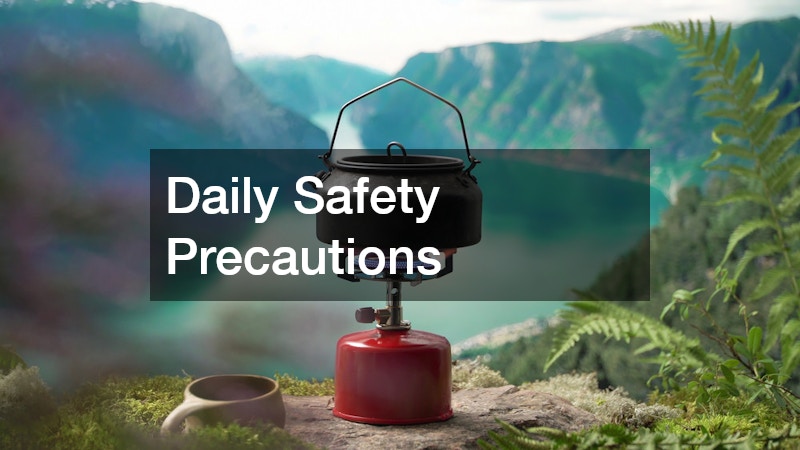
Integrating daily safety measures when using propane is essential in averting accidents. Never let open flames come into direct contact with propane tank appliances without requisite safety checks. Ensuring that children and pets remain distant from these setups prevents unintended interference that could lead to accidents. Establishing ventilation in areas where propane is used reduces the risk of gas buildup. Always testing connections with a soap and water solution enables detection of leaks indicated by bubbling upon application, revealing defect points for immediate rectification.
Equating safety with proper behavior around propane tanks encompasses keeping flammable materials at a distance. This should include avoiding smoking or lighting matches near the propane gas tank. Ensuring that caps and valves are securely fastened when the tank is not in use prevents accidental gas release. Involving yourself in the habit of around-the-clock vigilance and safety checks reemphasizes the importance of habitual consideration of potential risk factors. This diligence will ensure that responsive actions can counter accidents, maintaining safety sanction.
A key element of daily propane safety involves informed emergency response planning. Having extinguishers and alarms on hand, and clearly articulated emergency protocols is crucial. Conduct regular drills to simulate leak scenarios, enhancing preparedness should a real incident occur. Identifying exits and developing communication plans will enable faster, coordinated response efforts when situations arise. Cumulatively, these measures instill a safety culture conducive to propane usage that mitigates risks through proactive efforts.